Why Does Doing Good Requires Permission?
Recently, we saw reports of young environmental activist Paul David Barrister from London facing threats of enforcement action after helping to clean rivers. Whether every detail of the dispute is ultimately resolved one way or another, the story raises a much bigger question:
Why does doing good so often require permission?
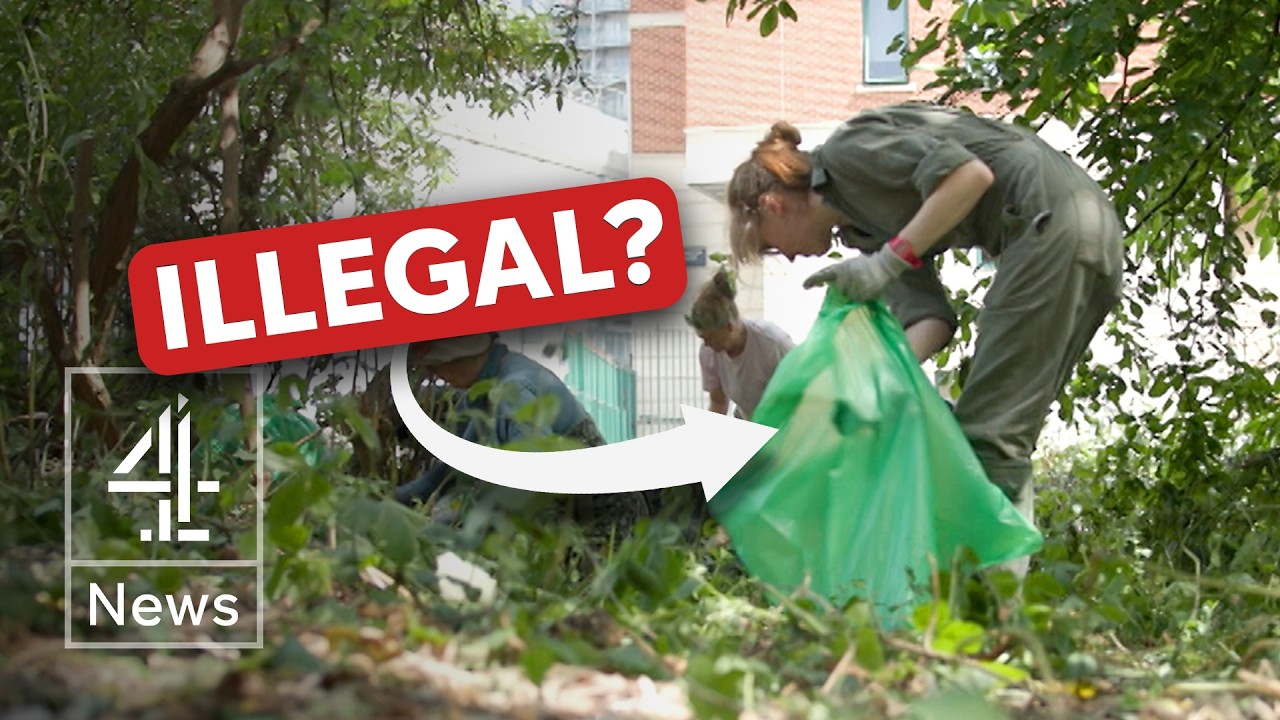
Across the world, ordinary citizens step in to solve problems that governments either cannot or will not fix. People fill potholes, remove graffiti, pick up litter, restore public spaces and clean polluted rivers. Instead of receiving encouragement, many are met with bureaucracy. They’re told they need permits, licences or official approval before they can make a positive difference.
At Causevest, we fundamentally disagree with the idea that helping your community should require a licence.
Every citizen should have the freedom to improve the world around them, provided they do so responsibly and safely. Volunteerism should be encouraged, not treated as an inconvenience.
When Bureaucracy Becomes the Priority
One of the most striking comments made during the discussion was:
“I don’t care what your system is. What does it mean for the river?”
That question cuts to the heart of the issue.
Too often, public institutions become more focused on enforcing procedures than achieving the outcomes they were created to deliver. Success becomes measured by compliance with regulations instead of cleaner rivers, safer streets or stronger communities.
Rules have an important place. They protect people and ensure accountability. But when regulations begin preventing genuine community improvement rather than enabling it, something has gone wrong.
Could Volunteers Do Better?
A point raised by Paul deserves serious consideration.
He argued that if volunteer groups received even a fraction of the funding allocated to government agencies, they could produce dramatically better results.
Whether or not that specific claim proves true, it’s a reasonable idea to test.
Imagine two organisations receiving the same funding to improve a river. One is an established public agency. The other is a local volunteer group committed to restoring the environment.
Measure the results after a year.
Whichever organisation delivers cleaner rivers, healthier ecosystems and greater value for taxpayers should receive greater support going forward.
Performance should matter more than bureaucracy.
A Global Problem
This is not just a British issue.
Around the world, countless volunteers dedicate their own time, energy and money to solving local problems. Yet many struggle to access funding, navigate complex regulations or gain official support.
Meanwhile, organisations with far larger budgets sometimes continue operating despite producing limited visible improvements.
When systems reward administration over action, they discourage exactly the people society needs most: those willing to roll up their sleeves and make a difference.
Supporting the People Who Step Forward
Causevest exists because we believe real change comes from individuals and communities taking action.
We want to support the volunteers, local groups and everyday people who refuse to stand by while problems grow worse.
Government has an important role to play, but it should be empowering citizens, not creating unnecessary barriers for those trying to improve their communities.
If someone wants to clean a river, restore a park, help a homeless shelter or improve their neighbourhood, our first instinct should not be to ask whether they have permission.
It should be to ask:
“How can we help?”
The future will not be built by paperwork alone. It will be built by people who care enough to act.