Debanking Is Becoming a Global Risk.
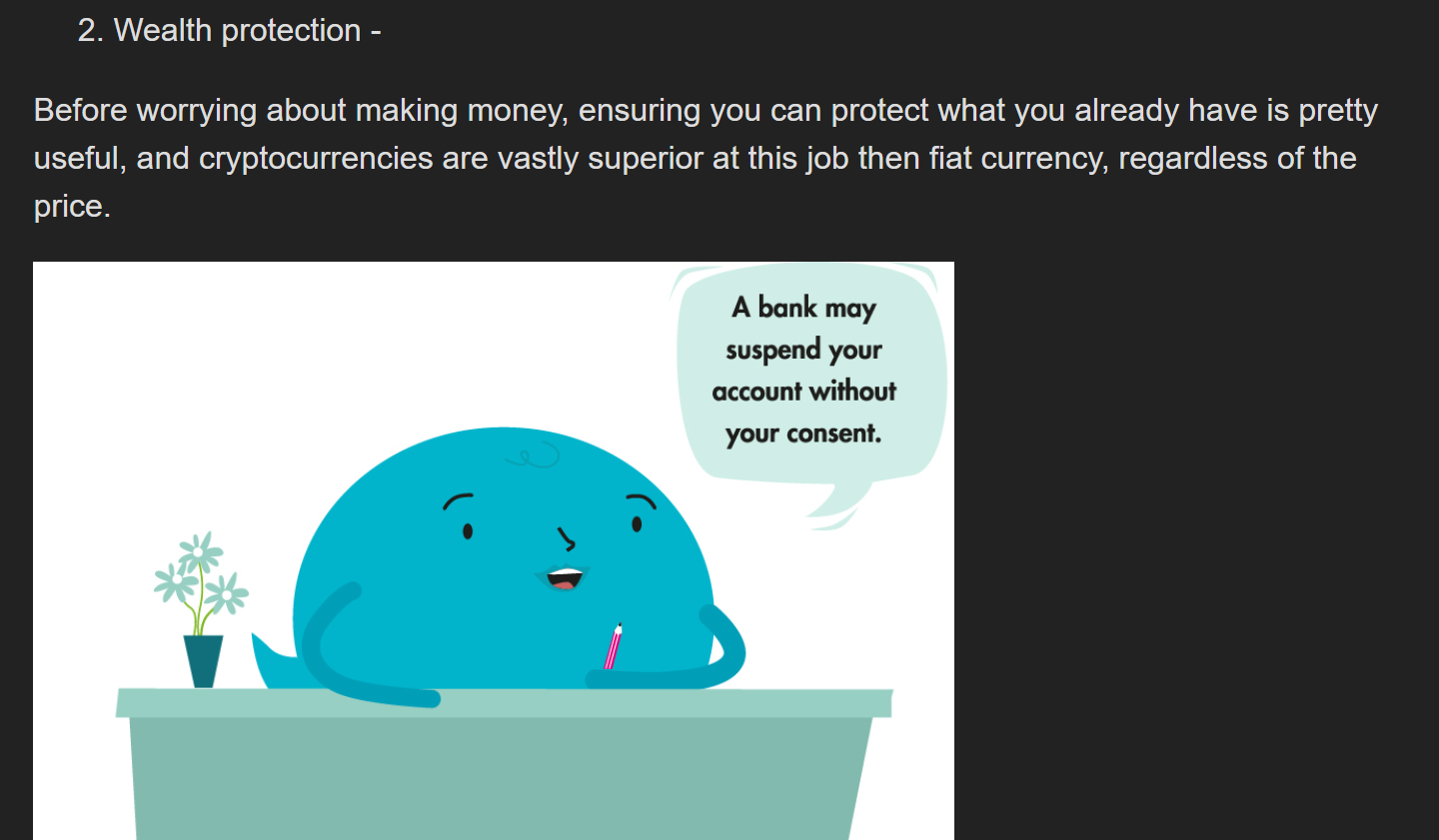
6 years ago in 2020 i wrote Top 10 reasons to own Bitcoin that have nothing to do with the price there point 2 said " A bank may suspend your account without your concent"
On 30 June 2026, independent UK news outlet The Canary announced that its long-standing banking relationship with Lloyds Bank had been terminated. According to the publication, it had banked with Lloyds for almost a decade but received no explanation for the decision despite repeated requests. The closure reportedly left the organisation unable to access its funds, making it difficult to pay staff and contractors.
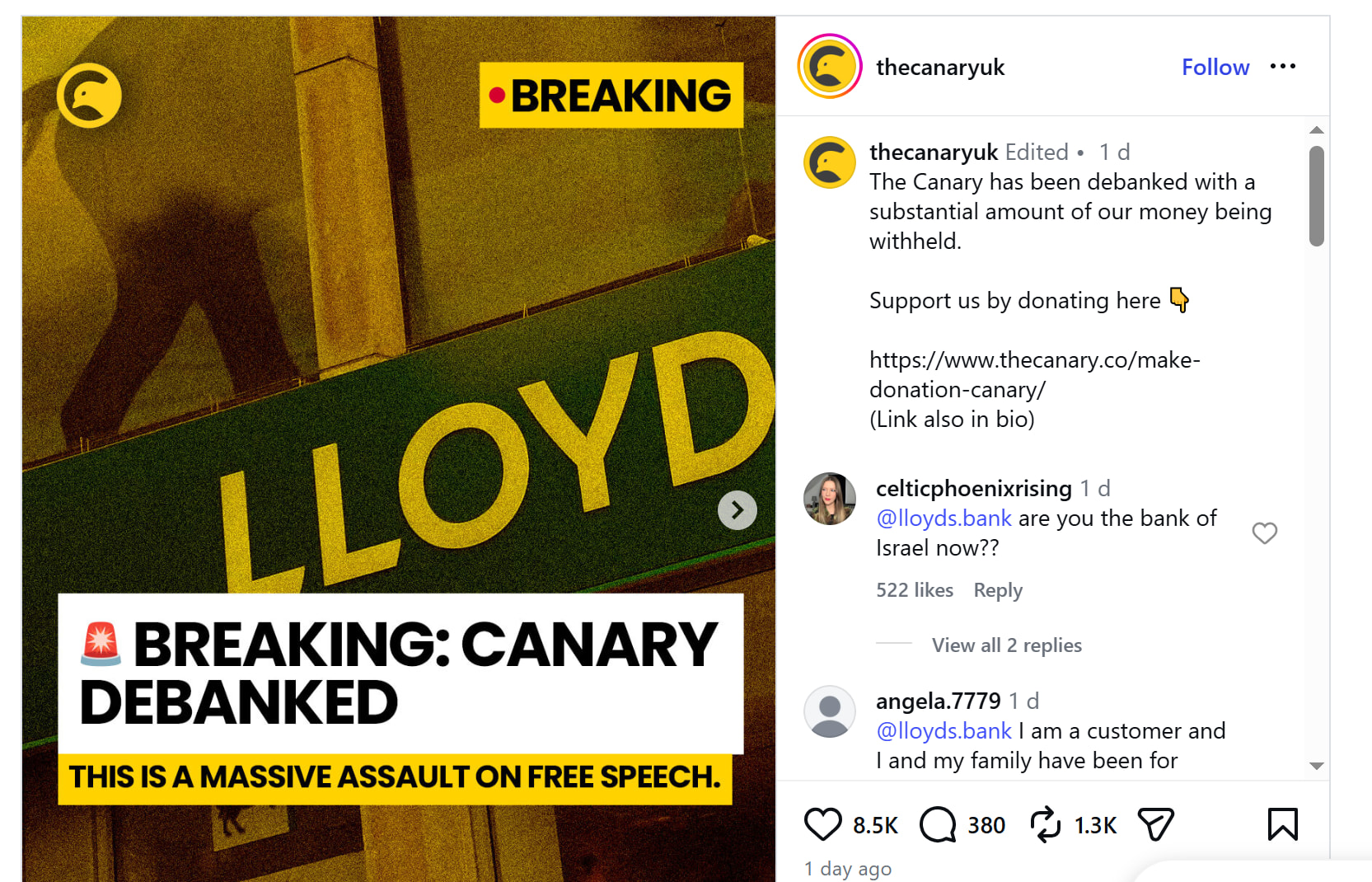
As a result, The Canary appealed directly to supporters for donations through Stripe while seeking a solution to restore its financial operations.
Whether you agree with The Canary’s editorial position is beside the point Trad fi has got to go.
This Is Bigger Than One News Organisation
Debanking is no longer an isolated issue.
Across the charitable sector, banking restrictions have become increasingly common.
According to the Muslim Charities Forum, a survey of UK Muslim charities found:
-
68% experienced difficulties opening bank accounts.
-
42% had banking services withdrawn.
-
Many reported frozen international transfers and lengthy payment delays.
The problem extends beyond faith-based organisations.
Research by the Charity Finance Group and the National Council for Voluntary Organisations (NCVO) found that around 90% of charities had experienced at least one significant banking issue, including payment delays, difficulties opening accounts, increased compliance requirements, or changes to banking facilities. Around 6% reported accounts being frozen or closed altogether.
Imagine that.
One in every sixteen charities losing access to its bank account.
For organisations that rely on donations to pay employees, contractors and beneficiaries, even a temporary interruption can threaten their entire operation.
Financial Infrastructure Is Becoming Political
The issue isn’t limited to charities.
Recent sanctions imposed by the United States against several judges of the highlighted how financial infrastructure can quickly become a geopolitical tool.
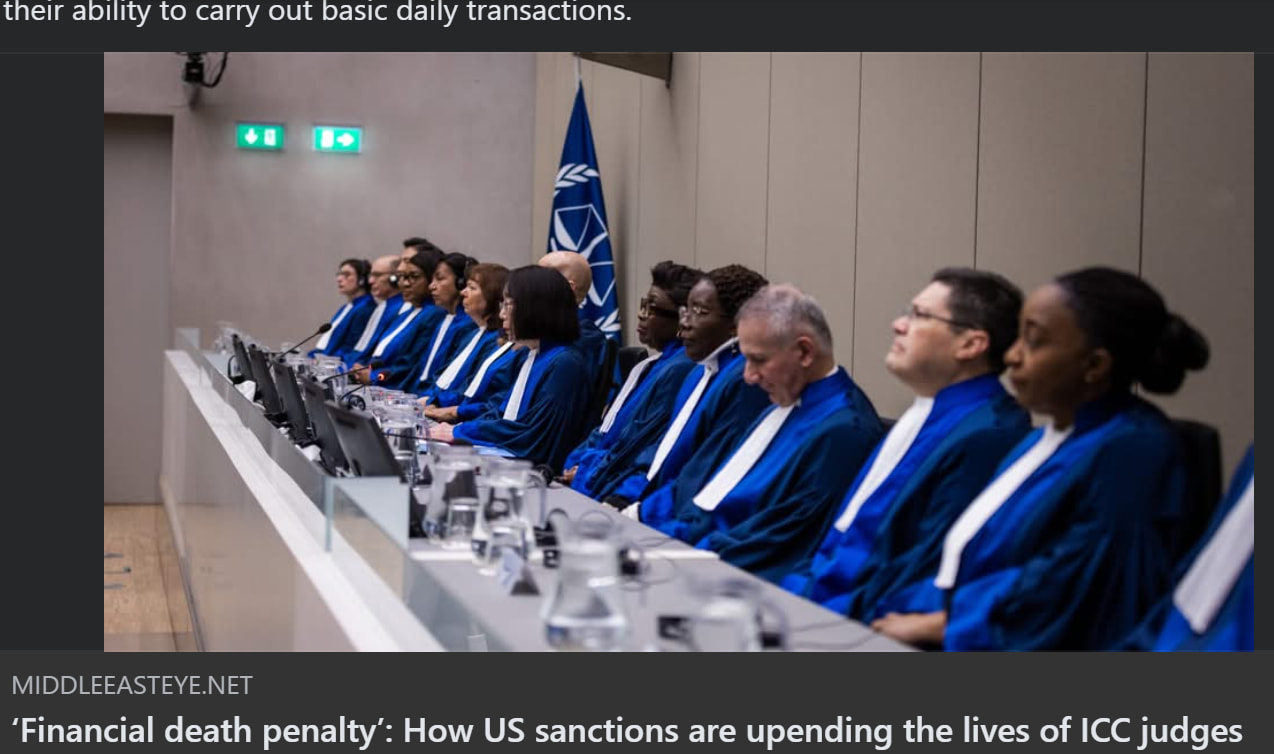
Judges from countries including Canada, France, Slovenia, Uganda, Peru and Benin reportedly became subject to sanctions that affected access to financial services and other commercial platforms as a consequence of their official roles.
Meanwhile, the EU has publicly discussed developing independent payment infrastructure that reduces reliance on existing international card networks, reflecting growing concern about the resilience and neutrality of global payment systems.
Whether these actions are justified or not depends on your perspective.
What matters is recognising a simple reality:
Access to money is increasingly dependent on infrastructure controlled by third parties.
We’ve Seen This Before
Many people first became aware of debanking after Nigel Farage publicly revealed that his bank account had been closed.
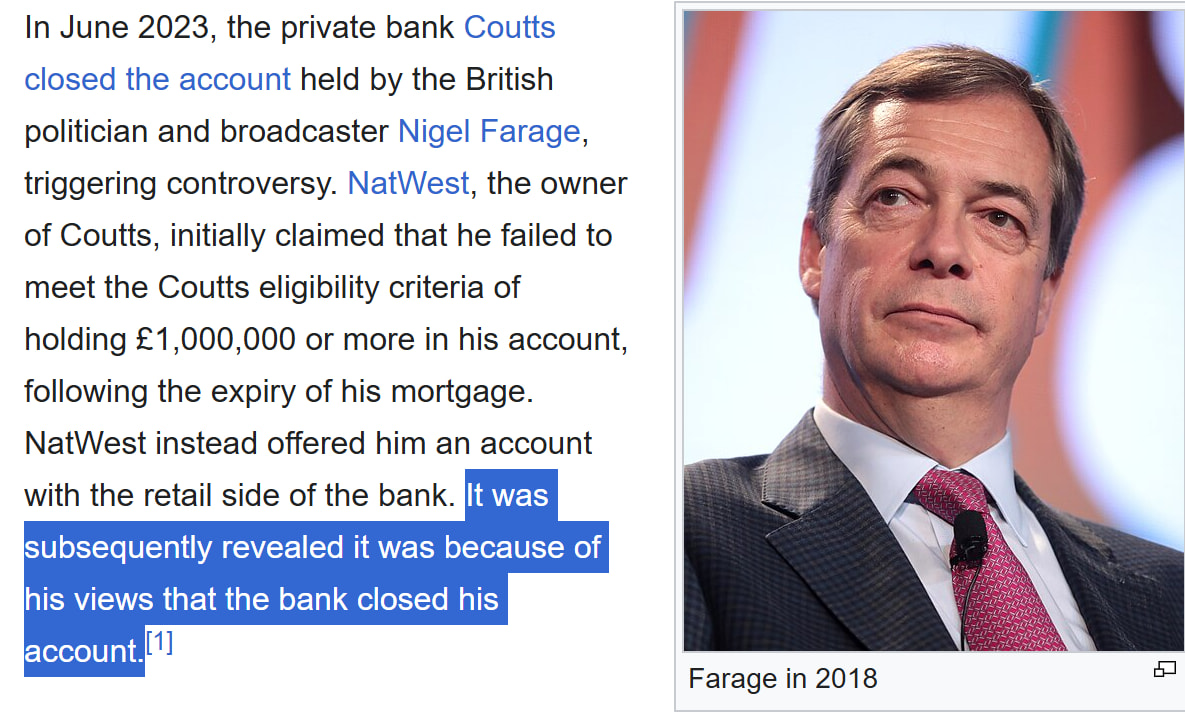
His case attracted national attention, but it also highlighted something many people had experienced quietly for years.
Individuals, charities, businesses and media organisations have all reported losing banking facilities with limited explanation and few practical alternatives.
The conversation is no longer about whether debanking happens.
It’s about how organisations prepare for it.
Now Causevest Exists
At Causevest, we believe charities, media organisations and mission-driven businesses should never depend entirely on a single financial institution because a single banking decision cuts off access to its own funds.
If your bank account is frozen tomorrow, could you still:
-
Pay your staff?
-
Receive donations?
-
Pay suppliers?
-
Continue operating?
Working with Causevest means the answer is yes we help you build more resilient financial infrastructure.
This doesn’t mean abandoning your traditional banking.
It means reducing single points of failure by integrating alternative payment systems, blockchain infrastructure where appropriate, diversified payment rails and operational contingency planning.
No charity, publisher or social enterprise should find itself unable to operate.
Financial Freedom Requires Financial Resilience
Debanking is no longer a hypothetical risk.
It’s affecting charities.
It’s affecting journalists.
It’s affecting public figures.
It’s affecting international institutions.
Regardless of your political views, one principle should unite everyone:
No organisation acting lawfully should lose the ability to pay its staff or access its own money simply because one financial intermediary decides to switch off its services.
Causevest is ready to help you when we launch this year!