I recently watched Dungeons & Dragons: Honor Among Thieves and it felt like a near-perfect map of what’s happening to the UK and much of the West right now.

The film opens on a band of thieves and their backstory, but the real engine of the plot is something darker: a scheme to destroy a kingdom from the inside.
Part 1: The man who promised everything while stealing everything
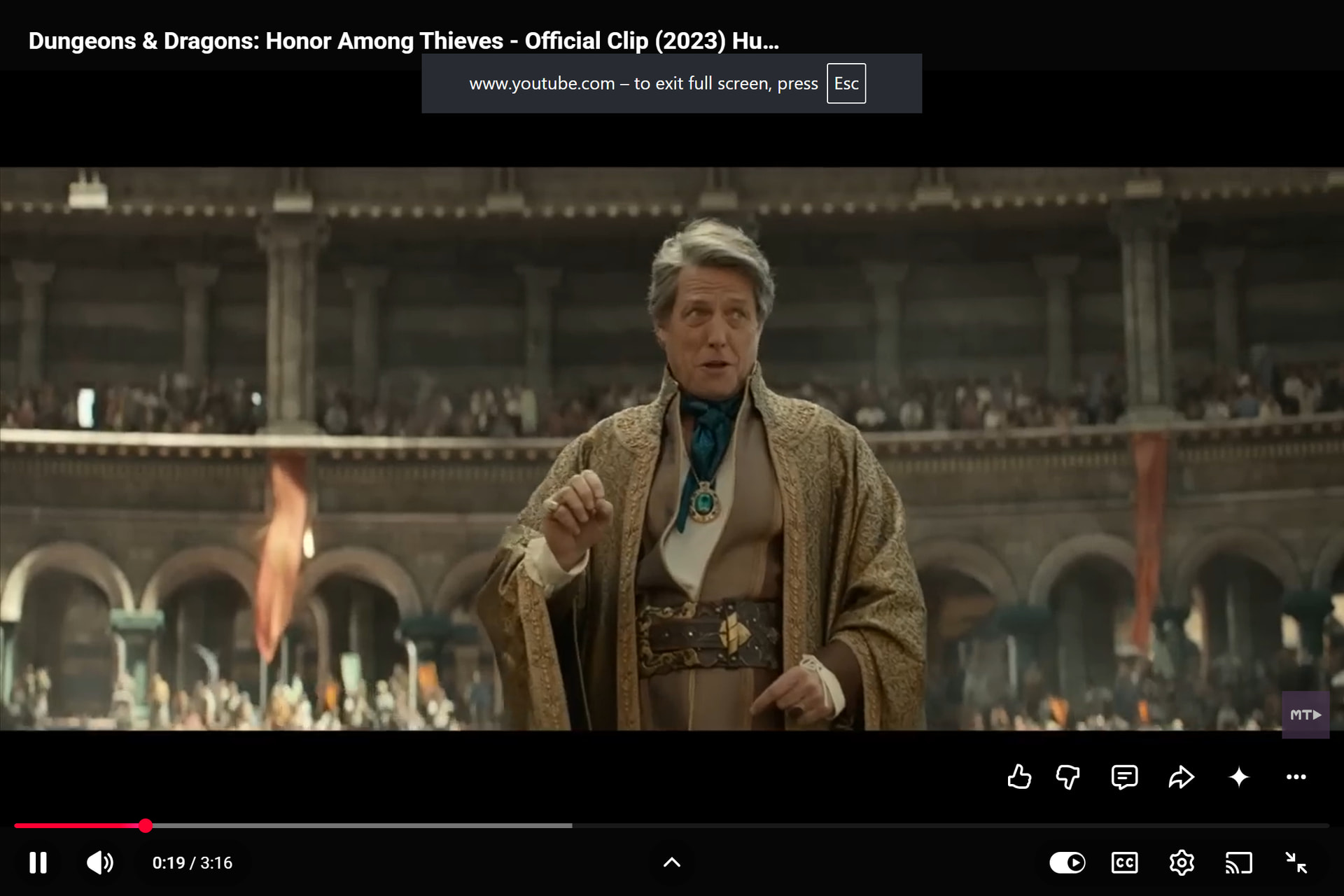
The villain, Forge, talks his way into becoming the Lord of Neverwinter with mysterious backing. He promises them gifts. Games, spectacles, riches, a share of the good life, all free.
And the whole time, he’s looting the city blind.
This is the oldest trick in politics, and it’s not confined to any one country. Whenever a movement’s central pitch is redistribution, the promise to take from over there and give it to you, it’s worth asking who’s actually holding the bucket at the end. Rhetoric about sharing the wealth has, more than once in history, been the cover story for simply extracting it.
But here’s what makes Forge worse than a common thief. He knew. He knew his backer’s real plan was to kill everyone in the city, and he didn’t care. Mass death was an acceptable price so long as he escaped somewhere else with the loot.
▎ The line between stealing and being indifferent to death is thinner than we like to think. Societies don’t only die when they’re conquered. They die when their wealth is drained and their freedoms are quietly signed away.
Part 2: The power in the shadows
Forge isn’t the real threat. He’s the front man. Behind him stands Sofina and the Red Wizards, a collective bound to a single ideology and spreading it wherever they can reach.
Their spell doesn’t kill for killing’s sake. It converts. It turns a living population into obedient, feeling-nothing drones, people who own nothing, want nothing, and are “happy” in the way a switched-off machine is happy. A utopia delivered whether you asked for it or not.
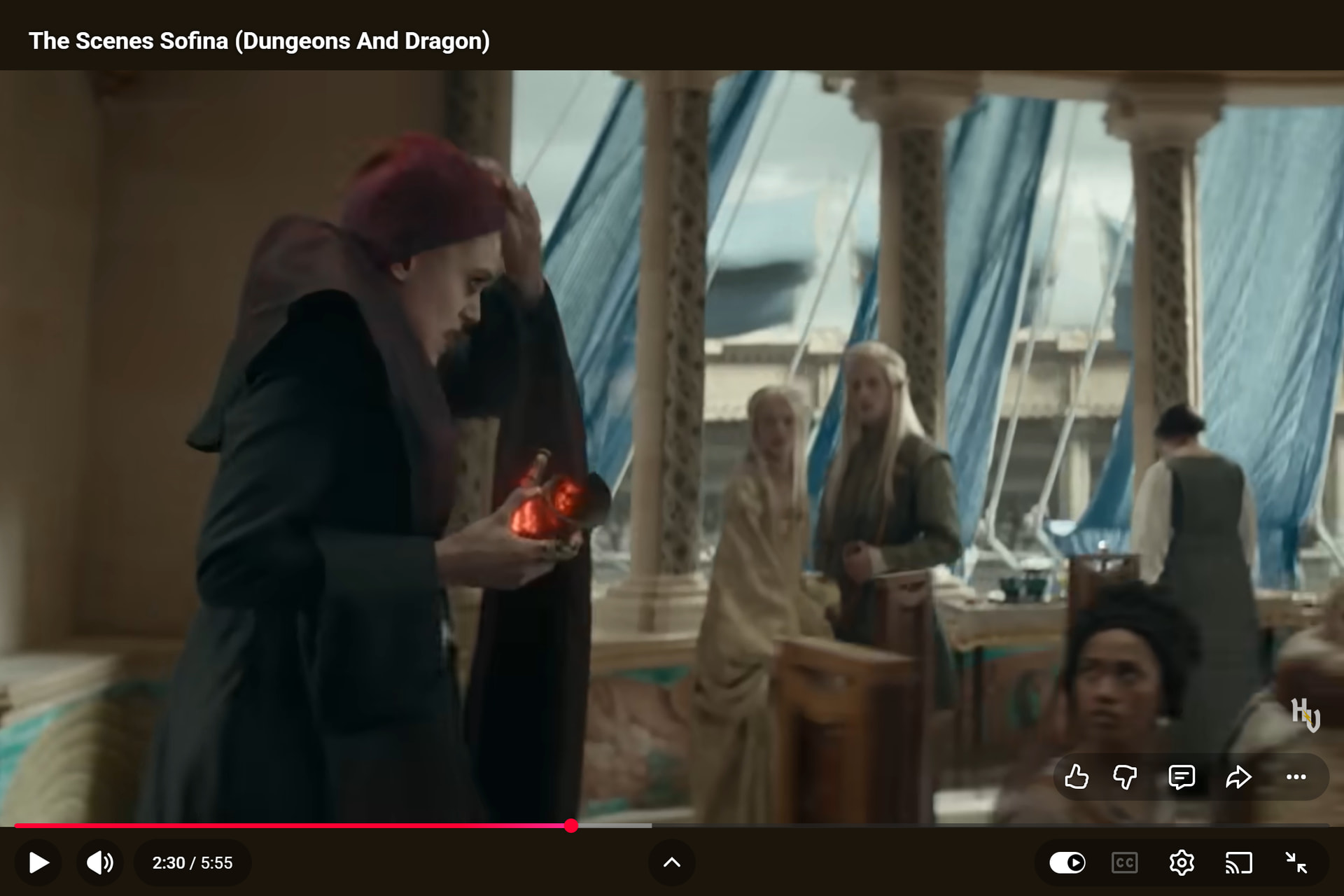
And watch the colours as she works. Sofina does her worst harm cloaked in red, the robes deepening as the spell takes hold. It’s a small detail that says everything, and it’s the same trick I see in our own politics. Think of Net Zero. It sells itself as green, a policy about clean air and saving the planet, and who could argue with that? But we call it a “watermelon” policy for a reason: green on the outside, red on the inside. Peel back the environmental packaging and you often find the familiar machinery underneath, higher taxes, tighter control over how people live, and wealth quietly extracted from ordinary households in the name of a greater good they never actually voted for. Green on the surface, red at the core, exactly like a wizard who only shows her true colour once the trap is already sprung.
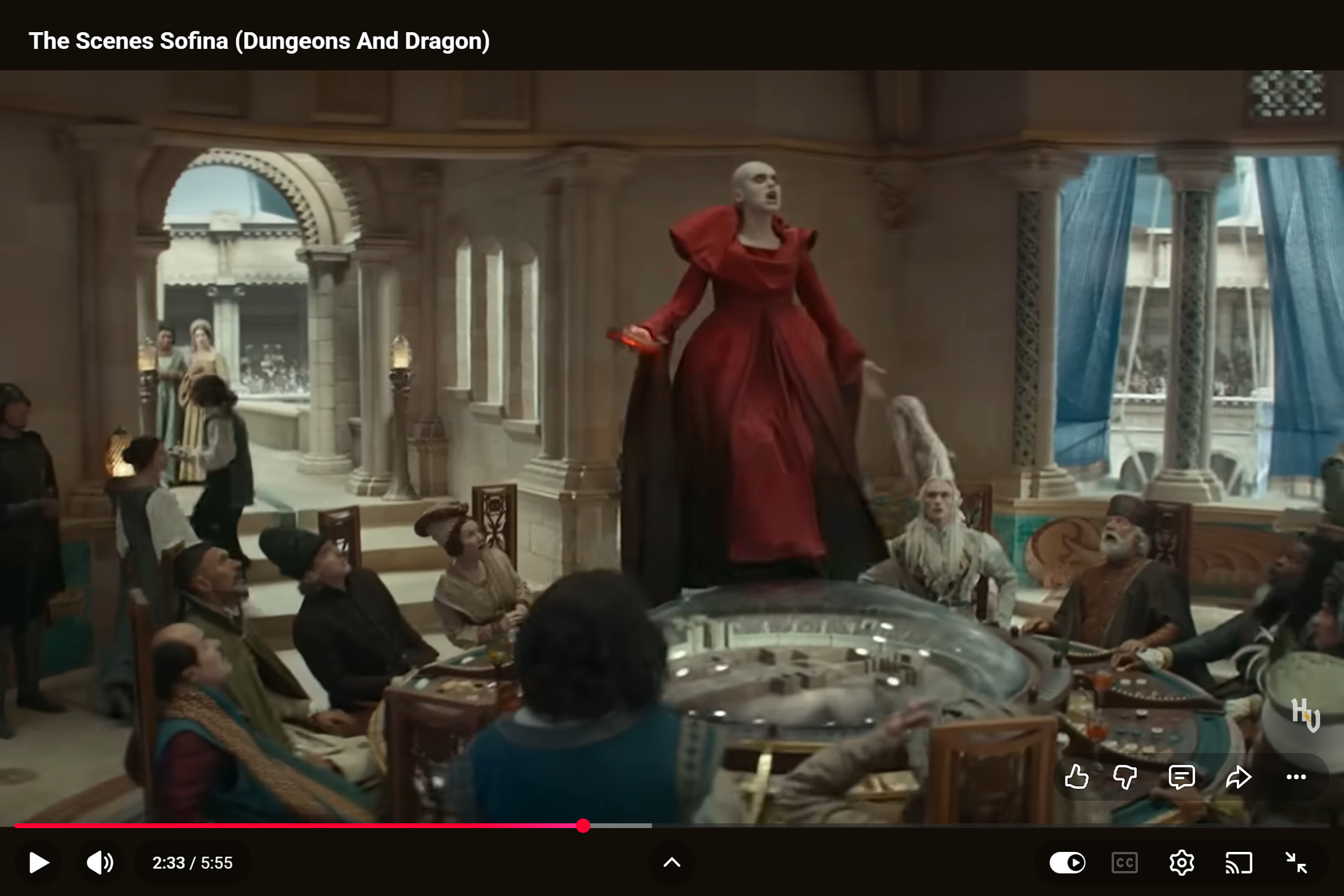
The historical rhyme here is hard to miss. Cultures once organised themselves specifically to resist collectivist ideologies that promised paradise and delivered uniformity, and then, over a generation or two, largely forgot they were ever supposed to be resisting anything. The enemy our grandparents defined themselves against didn’t vanish. It just changed its robes, sometimes into green ones.
▎ The film gives that force a colour, and honestly, red suited it.
She could have stood in for any number of bad actors in society. But the choice of the Red collective, working patiently behind a charming puppet, felt deliberate, and familiar.
Part 3: And what does that make us?
Here’s the uncomfortable turn.
Watching the film, you know who the villains are. It’s obvious. You can see the trap being laid, the crowd being lulled, the price they’ll pay. You want to shout at the screen.
And then it hits you: in your own country, your own political moment, the same play is running, and most of us just carry on.
We are the population in the square. Entertained, distracted by say a wolrd cup? content to do nothing. The film’s drones don’t fight because they’ve been hollowed out and can’t. What’s our excuse? Are we really so different, beasts of burden with our minds gently switched off, waiting for someone else to notice the danger?
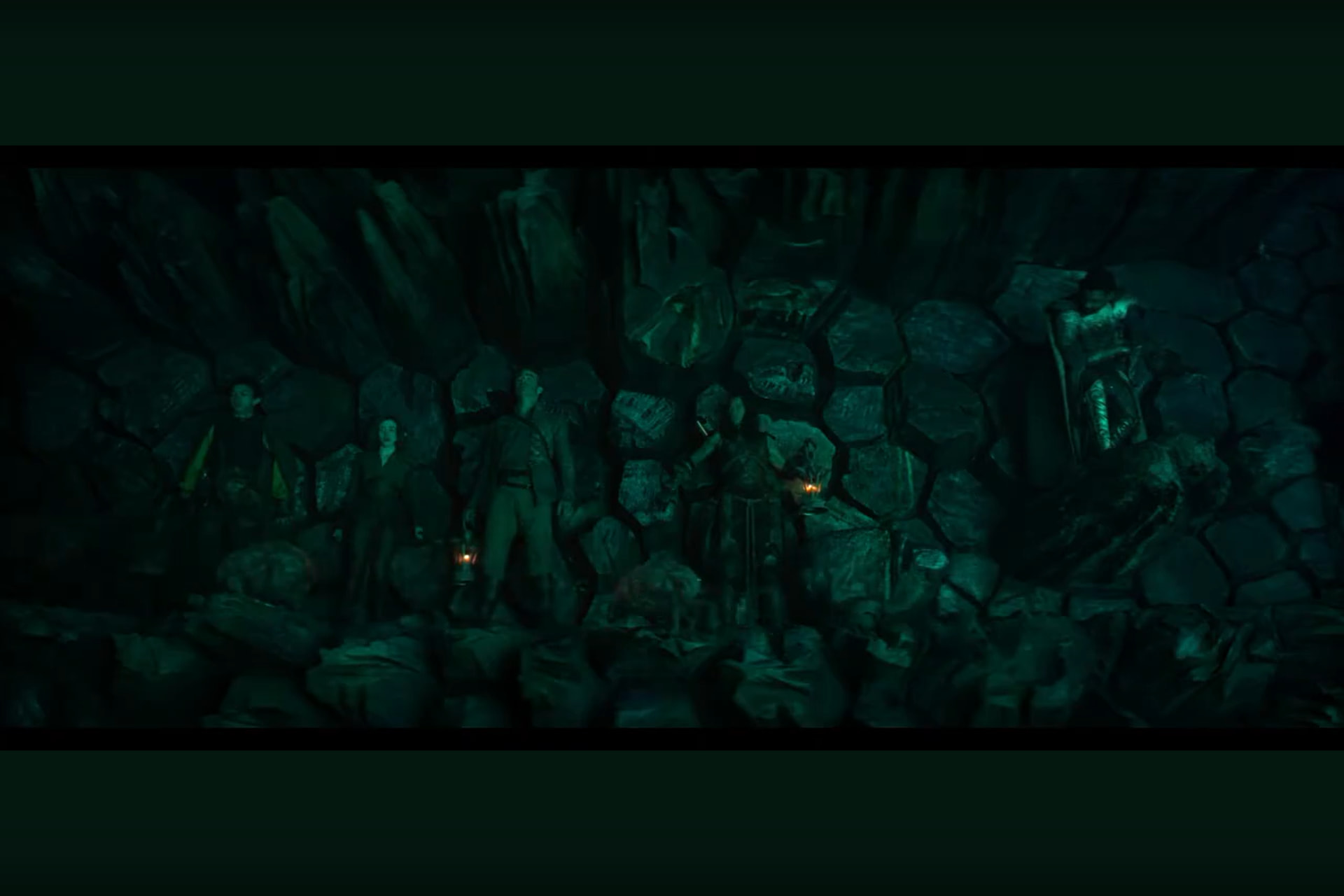
( Dumb like me)
It’s a bleak thought, and I’ll admit it makes me feel a little stupid and a little helpless. That’s exactly why the metaphor landed so hard as much as i am a massive fan of Baulders Gate 
But the film leaves one door open, and so will I. The heroes in the story were not chosen ones. They were thieves, misfits, ordinary people who decided the con had gone far enough. They didn’t wait to be saved.
So the real question the movie leaves you with isn’t “who’s the villain?” You already know. It’s the harder one:
▎ Are we doomed to sit entranced until someone else saves us, or are we still capable of waking up and saving ourselves?
I don’t think we’re drones yet. But the spell only works on people who don’t realise it’s being cast or worse don’t care.